
People use Amazon automation and dropshipping as if they mean the same thing. They don't. One is a fulfillment method that Amazon restricts by policy. The other is an operating arrangement for a store you own. Confusing the two is the most common reason people either dismiss this model outright or walk into the wrong version of it.
Amazon Automation vs Dropshipping: What's the Difference?
Dropshipping is a fulfillment method. Amazon automation is a management arrangement. In dropshipping you never own or touch the inventory. An order comes in, a third party ships it. In a managed Amazon store, inventory is purchased up front, held, and fulfilled through Amazon's own network while an operating team runs the day to day.
These are not two versions of the same thing. They differ on who owns the goods, who Amazon holds responsible, and whether the arrangement follows Amazon's own rules.
What Amazon's Drop Shipping Policy Actually Says
This isn't a matter of opinion. It's written into Amazon's seller policy.
Amazon permits dropshipping only if you are the seller of record, you identify yourself on all packing slips, invoices, and outer packaging, you remove any branding that identifies a third party seller, and you accept and process returns yourself.
That rules out the version most people mean. Buying from another retailer's website and having that retailer ship straight to your customer. Your customer opens a box with someone else's name on it.
The consequence isn't a warning. It's suspension. A suspended Amazon account takes the store, the sales history, and any pending payout with it. That's why fulfillment method isn't a detail. It decides whether the asset survives.
How a Managed Wholesale Store Works Instead
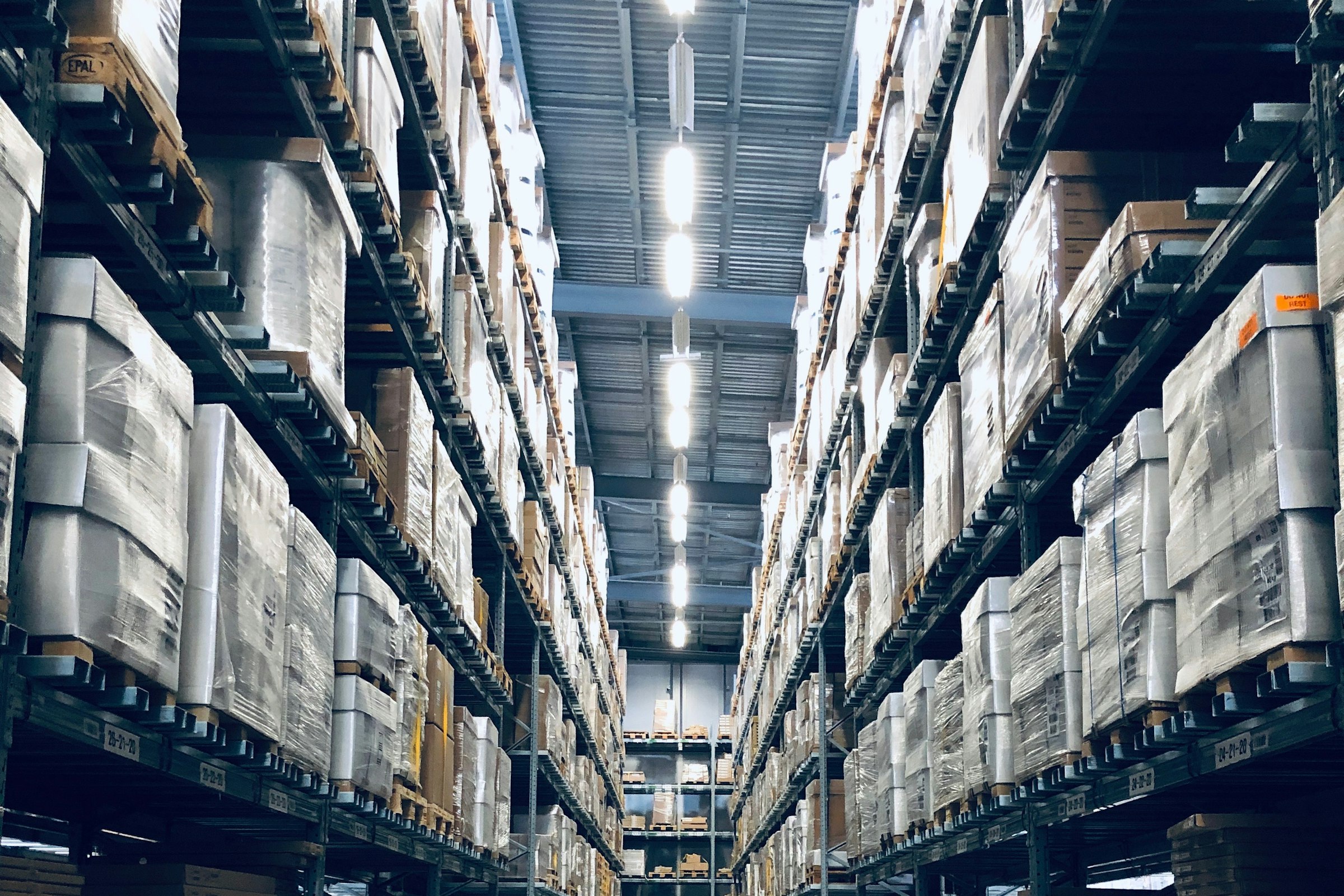
The wholesale model does the opposite on every point. Products are bought from brands and authorized distributors at wholesale cost. Inventory is purchased, owned, and sent into Amazon's fulfillment network. Amazon picks, packs, and ships it.
The automation part refers to who does the work. Sourcing, listing, order monitoring, customer service, account health. The fulfillment is completely conventional. Only the labor is delegated.
Side by Side
| Factor | Retail Dropshipping | Managed Wholesale Store |
|---|---|---|
| Who owns the inventory | Nobody. You never take possession. | You do, purchased up front |
| Who ships the order | A third party retailer | Amazon, through FBA |
| Amazon policy standing | Breaks policy if a third party's branding reaches the customer | Compliant. You are the seller of record. |
| Upfront capital | Low | Substantial. Inventory has to be bought. |
| Typical margin | Thin. The source retailer's markup comes out first. | Wider. You buy at wholesale cost. |
| Where the risk sits | Account suspension risk | Inventory risk. Unsold stock is real money. |
| What you own at the end | A storefront with no assets | A store, its inventory, and its sales history |
Notice where the risk went. It didn't disappear. Dropshipping trades inventory risk for account risk. Wholesale accepts inventory risk to remove account risk. Anyone telling you their model carries no risk at all is describing a pitch, not a business.
Who Each Model Actually Fits
- Low capital, plenty of time. Dropshipping or retail arbitrage, run by you, with clear eyes about the policy limits.
- Real capital, no time. A managed wholesale store, where the capital does the work your calendar can't.
- Diversifying outside stocks or property. Wholesale. The inventory is a real asset and the store has resale value.
- Expecting income inside 90 days. Neither one. That expectation is the problem, not the model.
Where Cashflow Creators Fits
We operate wholesale stores. Not dropshipping. Products come from brands and authorized distributors, inventory is purchased and held, and fulfillment runs through Amazon. You keep 100 percent ownership of the storefront and control of your capital and platform payouts. Our team handles sourcing, listings, orders, customer service, and account health across the 225+ stores we manage.
The timeline is worth stating honestly. A store takes around six months to reach operational status. Revenue generation typically falls in the 6 to 12 month range. Amazon disburses payouts roughly every 14 days once sales begin.
If you need money faster than that, this is the wrong vehicle. We'd rather you know that now than four months in.
Related Next Steps
- → What Is Amazon Automation?
- → Wholesale vs Private Label on Amazon
- → eCommerce Management Scams: Red Flags to Watch For
FAQ
Is Amazon automation just dropshipping with a different name?
No, though some companies do sell dropshipping under that label. The test is whether inventory is actually purchased and owned. If a company can't tell you who owns the inventory and who ships the order, you're probably looking at dropshipping.
Is dropshipping allowed on Amazon?
Only under conditions. You have to be the seller of record, identify yourself on all packaging, remove any third party seller's branding, and handle returns yourself. Buying from another retailer and having them ship straight to your customer breaks those conditions.
Which model has better margins?
Wholesale, generally. Dropshipping buys at or near retail, so the source retailer's markup comes out of your margin first. The tradeoff is that wholesale takes real capital up front.
Can I start with dropshipping and move to wholesale later?
Yes. Just know that brands and distributors look at account history when they approve wholesale relationships. Policy violations follow you.
Which one is actually passive?
Neither, if you run it yourself. In a managed arrangement someone else does the work. The operation still happens. It just isn't happening to your calendar.
See Whether This Fits Your Situation
If you're weighing these two models, the fastest way to get clarity is a direct conversation about your capital, your timeline, and your risk tolerance.
→ Schedule a Free Consultation, a 15 minute call. Or review the Client Diligence Package first.